
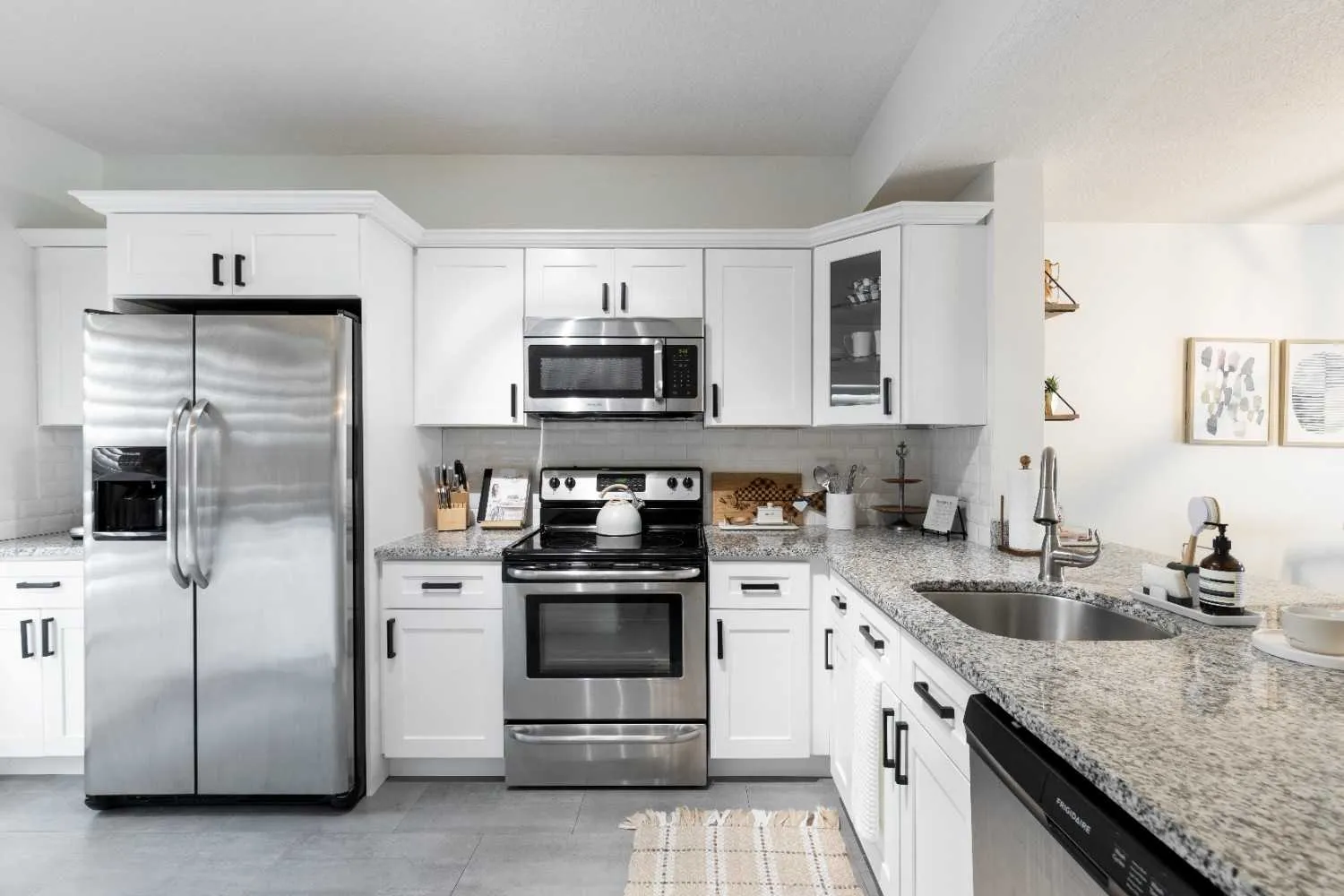

Kitchen Appliances
I check how a plan lists the fridge, oven, cooktop and dishwasher, and whether built in pieces count.

A clear look at the systems and appliances a home warranty can name, and the details I check in each one.
Two plans can share the same headline and still treat your furnace or fridge in very different ways.
I start with the list of named items, then move to the limits, the exclusions and the service fee. That order tells you far more than any brochure.
Below you will find how I approach each major area of the home, plus what usually sits inside a plan and what often sits outside it.
I check how a plan lists the fridge, oven, cooktop and dishwasher, and whether built in pieces count.


Tank and tankless units are often treated apart. I flag which one a plan really means.


Panels, outlets and switches show up often. Wiring hidden in walls is where limits creep in.
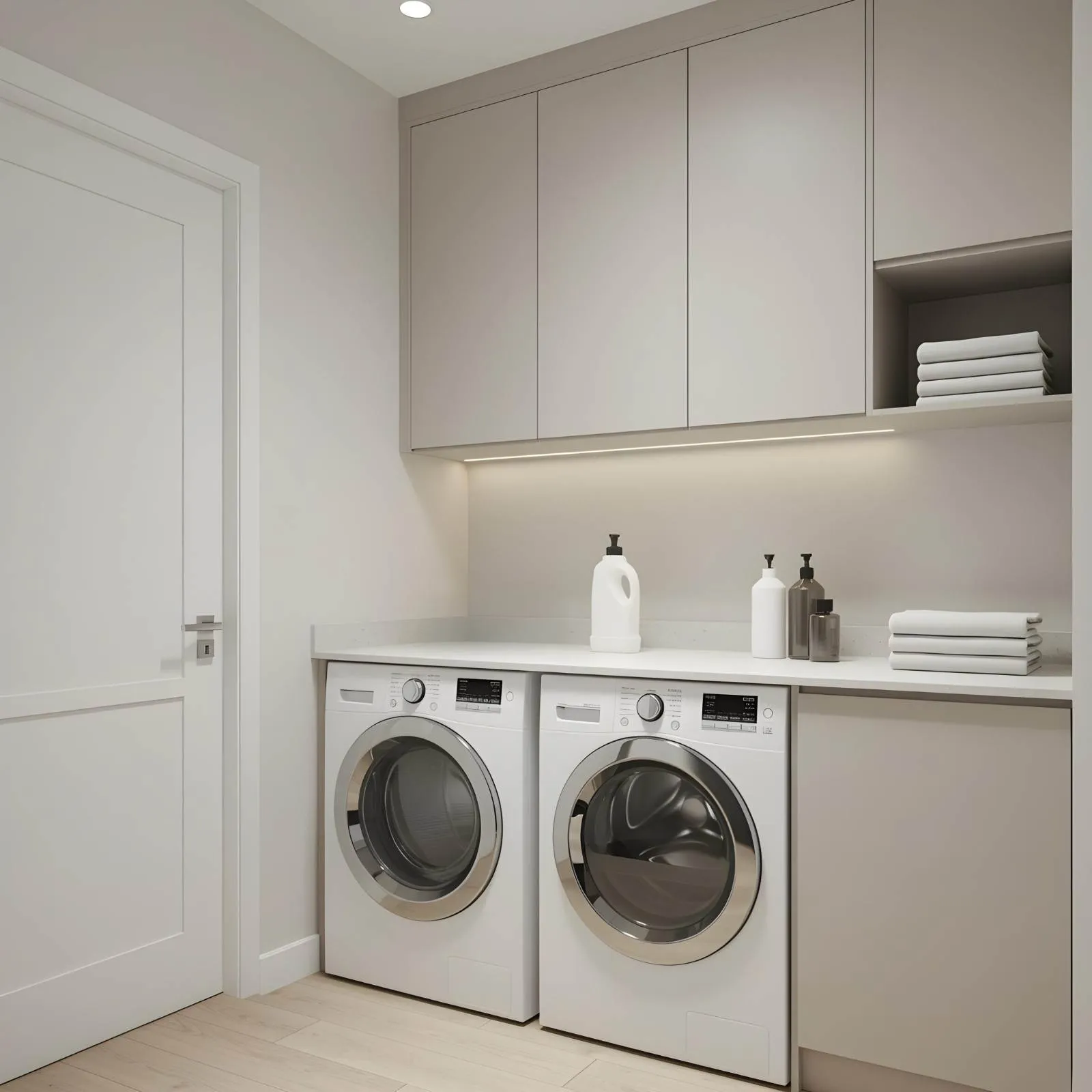

Some plans fold laundry into the base, others sell it as an extra. I sort out which is which.


Leaks and stoppages are common claims. Fixtures and outdoor lines are the usual gray area.
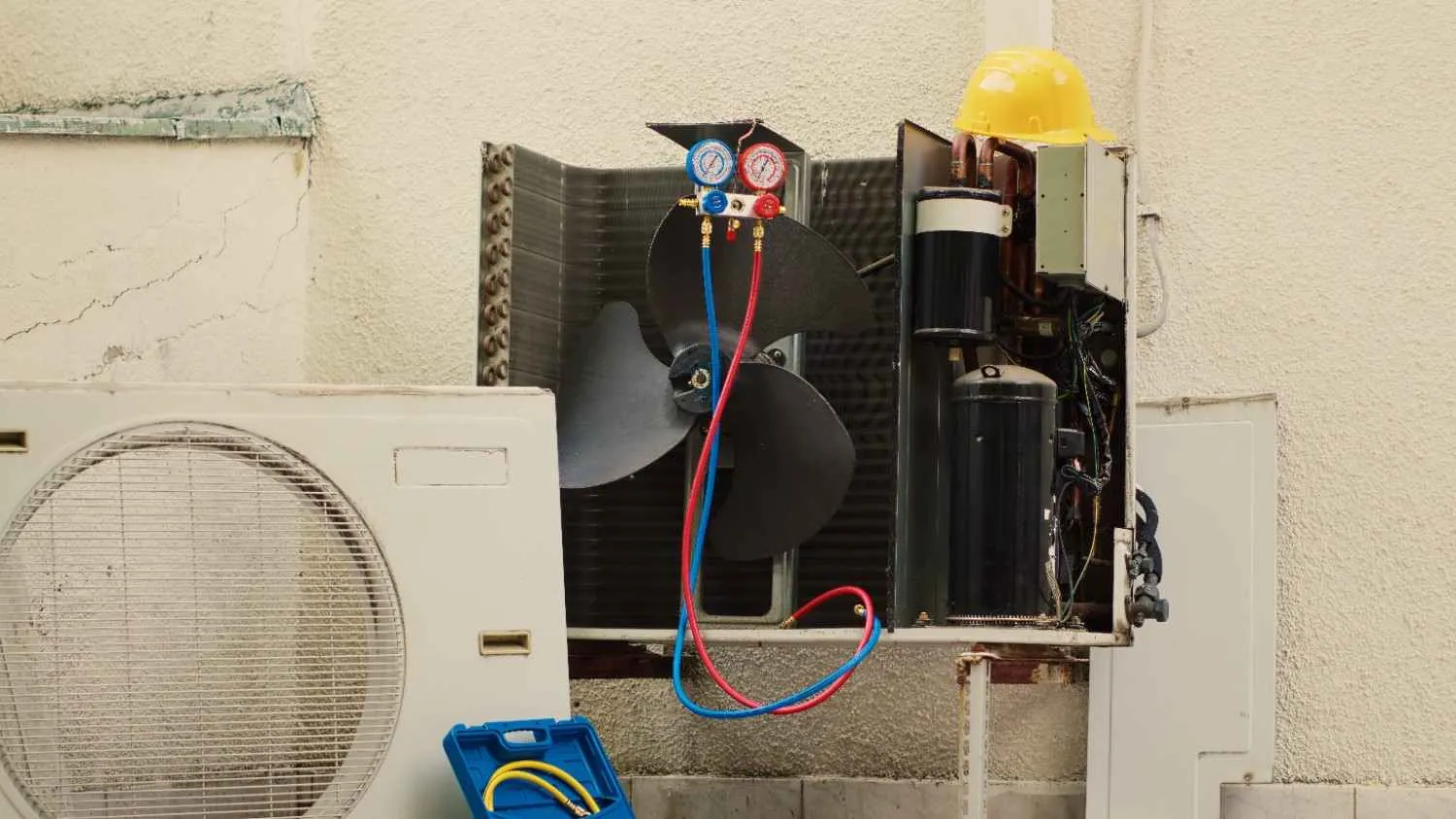

Furnaces, heat pumps and central air are the big ticket items, so I read their limits closely.
Find the broken item in your contract and make sure it is listed before anything else.
Share what stopped working and when, plus the make and model if you have them close by.
A qualified local technician checks the item and reports the cause back to your plan.
Your plan terms decide if it is repaired or replaced, or if it falls outside your cover.
Parts that fail from everyday use over time.
Motors, pumps, compressors and control boards that stop working.
A local pro sent to find the cause of a covered failure.
A fix first, or a swap when a fix is not practical.
Issues present before your coverage start date.
Failures tied to missed basic care such as filter changes.
Dents, scratches and finish wear that do not affect use.
Upgrades needed to meet local rules during a repair.
No. Insurance handles sudden damage like fire or storms. A home warranty looks at systems and appliances that wear out with normal use.
Common reasons include poor upkeep, code issues, or a problem that existed before coverage began. Your contract spells these out.
Usually the plan assigns one from its local network. Some plans allow an outside pro under certain terms, so it pays to check.
It is a set amount you pay each time a technician visits for a request. The figure is listed in your plan documents.
Sometimes. When a repair is not practical, a plan may replace the item up to the limit stated in your contract.